 Most Popular
Residential Buyer's
Top-to-bottom evaluation during your option period.
Duration2.5–4 hours
ReportSame-day
IncludesWingman 120 Warranty
Buying, selling, building, or holding — there's a Legacy inspection for the stage you're in.

 Most Popular
Top-to-bottom evaluation during your option period.
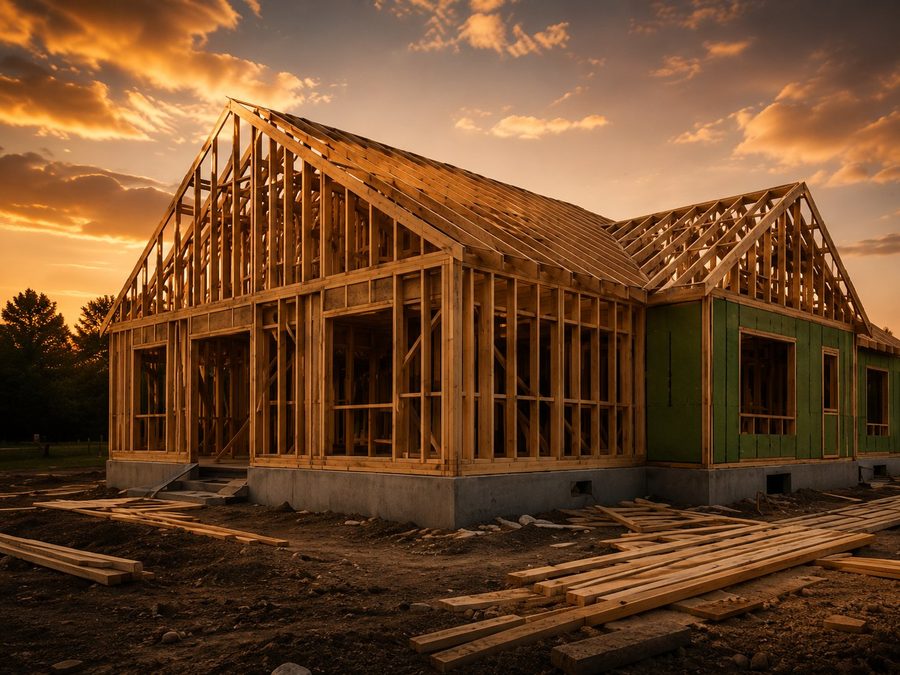 Pre-Closing
Catches what your final walk-through won't.
 For Sellers
Know what buyers will find — before they find it.
 Save Thousands
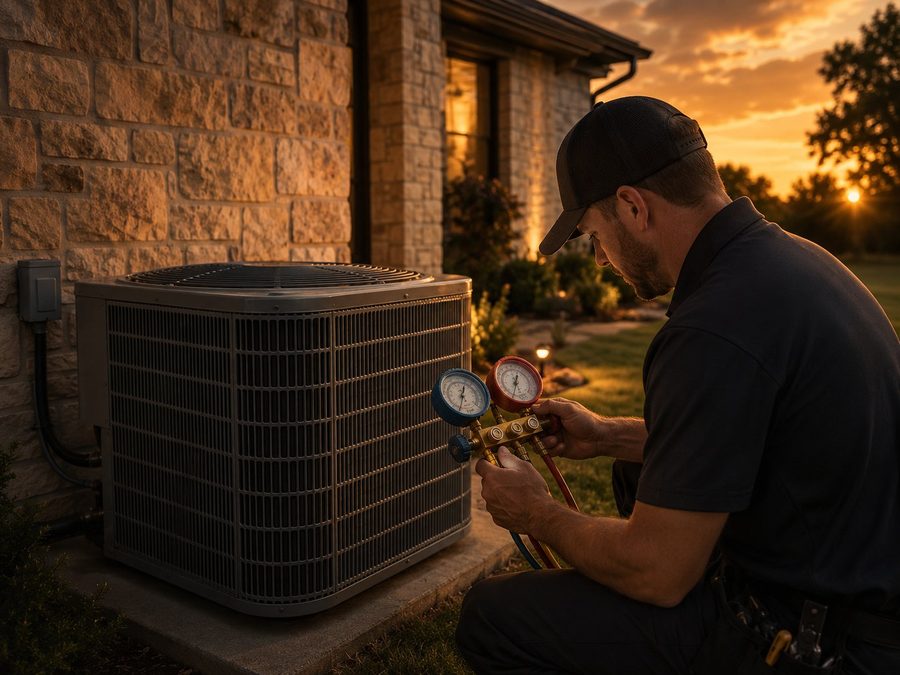
Catch warranty defects before the 12-month clock runs out.
 10% Off Veterans
What the VA appraisal misses. Built for PCS timelines.
 Specialty
Wells, septic, outbuildings. The whole property.
On-site, on time. No junior techs.
Photos, severity, plain English.
120-day post-purchase warranty.
Phone access after closing.
No pressure. No upselling. Just an honest conversation about what your property needs.
(254) 654-1441Call or book online with property details.
Confirmed time, agent coordinated, prep complete.
2.5–4 hours. Every accessible system documented.
Same-day. Negotiate, repair, or walk — informed.
A TREC-compliant inspection covers structural systems (foundation, framing), roofing and attic, electrical systems, plumbing, HVAC, interior components (walls, ceilings, floors, doors, windows), exterior elements (siding, trim, soffits, decks), insulation, and built-in appliances. The inspector documents visible deficiencies with photos and plain-English explanations.
A standard residential inspection takes 2.5–4 hours depending on the home's size, age, and condition. Larger homes, older properties, and homes with additional systems like pools or septic may take longer. We recommend attending at least the final hour for the walkthrough summary.
Yes — attending is strongly recommended. You'll see issues firsthand, ask questions in real time, and get context that a written report alone can't fully convey. We recommend arriving for at least the last hour when Gregg walks through findings and explains what matters most.
You have several options: accept the home as-is if issues are minor, request the seller make specific repairs before closing, negotiate a price reduction or closing credit to cover future repair costs, or exercise your option period right to terminate the contract. Your agent will help you decide which approach fits your situation.
No — homes don't pass or fail an inspection. The inspector identifies conditions, documents them with photos and severity levels, and provides information so you can make an informed decision. Even homes with significant issues may still be worth buying at the right price.
A home inspection evaluates the physical condition of the property — structure, systems, safety. An appraisal determines the market value for the lender. They serve different purposes: the inspection protects you as the buyer, the appraisal protects the lender. Both are important but they examine different things.
Yes — new construction homes absolutely need inspection. Builders work on tight schedules with rotating subcontractors, and defects are common. A pre-closing inspection catches issues like improperly flashed valleys, missed drain connections, reverse-polarity outlets, and framing deficiencies that a final walk-through won't reveal.
Schedule as early in your option period as possible — ideally within the first 2–3 days after going under contract. This gives you maximum time for follow-up evaluations, specialist consultations, or repair negotiations before the option period expires.
As a buyer, make sure utilities are on at the property (gas, water, electricity). Clear your schedule to attend. Bring a notebook and comfortable shoes. Prepare questions about anything you noticed during showings. Don't stress — the inspector handles the technical work.
Legacy Inspections delivers same-day digital reports in nearly every case, typically within 6–12 hours of leaving the property. Reports include photos, severity flags, and plain-English explanations you can share directly with your agent, lender, and contractors.
Standard residential inspections in the Gatesville, Killeen, and Waco area typically run $375–$525 depending on home size, age, and complexity. This investment routinely saves buyers $5,000–$30,000 by identifying issues before closing. Veterans receive 10% off every inspection.
A home inspection averages $400 but routinely identifies issues worth $5,000–$30,000 in repairs. According to industry data, 86% of inspections find items needing repair. Nearly half of all buyers use the inspection report to negotiate a better price. The ROI on a home inspection is among the highest of any closing-related expense.
In Texas, the buyer typically pays for the home inspection. It's scheduled after your offer is accepted but before closing, during the option period. Some sellers pay for pre-listing inspections to identify issues before going to market.
The base inspection covers all standard TREC-required systems. Optional add-on services include termite/WDI inspection ($75–$100), sewer scope ($150–$250), pool inspection ($150–$200), and sprinkler system evaluation. We'll recommend add-ons only when the property warrants them.
Payment is due at the time of inspection. We accept cash, check, and major credit cards. For veterans receiving the 10% discount, no special forms or codes are needed — just mention your service when you book.
New doesn't mean flawless. Builders run on tight schedules with rotating subcontractors, and construction defects are common even in quality builds. Common new-construction findings include improperly flashed valleys, missed nail pops, electrical receptacles wired in reverse polarity, HVAC duct disconnections, and grading issues that direct water toward the foundation.
A pre-drywall inspection happens after framing, rough plumbing, rough electrical, and HVAC installation — but before drywall goes up. This is your only chance to see what's behind the walls: framing connections, fire blocking, duct routing, plumbing vents, and structural elements. Once drywall is installed, these items are concealed for the life of the home.
Most builders provide a 1-year warranty. An 11-month inspection is scheduled during month 11 — while the warranty is still in force. We document every deficiency we find, and you submit the report to your builder as a warranty claim. The cost of the inspection is almost always returned many times over in covered repairs.
Common new-construction defects we find include improper grading directing water toward the foundation, missing or disconnected HVAC duct runs, nail pops and drywall cracks from lumber shrinkage, insufficient attic insulation depth, improperly sealed plumbing penetrations, missing exterior caulking, and garage door safety sensor placement issues.
Always hire your own independent inspector. A builder's quality control inspector works for the builder — their incentive is to move the project forward, not to document every deficiency for your benefit. An independent TREC-licensed inspector works for you and has no relationship with the builder.
A pre-listing inspection gives sellers significant advantages: you discover issues before buyers do, repair on your own terms and timeline, price the home accurately, avoid last-minute renegotiations that kill deals, and signal confidence to buyers. It's one of the highest-ROI investments a seller can make.
Focus on health and safety issues first (electrical hazards, gas leaks, active leaks), then major system concerns (HVAC, water heater, roof), then items that affect first impressions. Cosmetic issues like minor drywall cracks, scuffed paint, or worn carpet are generally not worth repairing — they rarely affect negotiations.
Yes — many sellers include their pre-listing inspection report in the listing disclosures. This demonstrates transparency and can reduce the buyer's perceived risk. However, buyers should still conduct their own independent inspection, as conditions can change between inspections and the buyer's inspector works exclusively for them.
A pre-listing inspection typically reduces negotiation friction. When buyers know that the seller has already identified and either repaired or disclosed known issues, their own inspection results are less likely to produce surprises that trigger aggressive renegotiation or contract termination.
Insurance companies commonly flag Federal Pacific or Zinsco electrical panels, aluminum wiring, polybutylene plumbing, roof age over 15–20 years, prior water damage or mold, wood-burning stove installations, and swimming pools without proper fencing. Some carriers will decline coverage entirely for certain conditions.
Focus negotiation on health and safety issues, structural concerns, and major systems nearing end-of-life. You can request the seller complete repairs, offer a closing credit for you to handle repairs yourself, or negotiate a price reduction. A focused, reasonable repair request is far more likely to be accepted than a list of 30 minor items.
True deal-breakers vary by buyer, but the most commonly cited include active structural failure, foundation issues requiring $10,000+ in repair, roof needing immediate replacement, environmental hazards (mold, asbestos, lead), major electrical hazards, evidence of undisclosed additions or unpermitted work, and active pest infestation.
Yes — whenever possible, get written quotes from licensed contractors for significant repairs before submitting your repair request. Specific dollar amounts are far more persuasive than vague requests and prevent disagreements about repair costs during negotiation.
Avoid negotiating cosmetic issues (scuffed paint, worn carpet, minor nail pops), normal wear items, personal preferences (paint colors, landscaping choices), or code items that were compliant when installed. Overloading your repair request with minor items weakens your negotiating position on the items that actually matter.
Same-day reports. Veteran owned. TREC #27007.